Inbound marketing is no longer optional for eCommerce brands seeking predictable, scalable growth. Paid media and social campaigns can generate short-term visibility, but without a system that consistently attracts, educates, and converts buyers, performance remains volatile.
Inbound marketing addresses this gap. It aligns content, traffic acquisition, lead capture, and conversion optimization into a unified, revenue-driven framework. When executed correctly, inbound does not replace paid media. It strengthens it by turning traffic into long-term business value.
This guide outlines how eCommerce brands can build an inbound marketing system that drives qualified traffic, captures demand, and converts attention into sales over time.
Why Inbound Marketing Matters More Than Ever
Buyer behavior has changed fundamentally. Most shoppers now research extensively before making a purchase, even when buying in-store. They compare alternatives, validate credibility, and evaluate solutions long before they are ready to transact.
Inbound marketing allows brands to influence decisions earlier in this journey. Rather than relying on ads to capture demand at the moment of purchase, inbound positions your brand as a trusted resource during research, evaluation, and consideration.
In practice, prospects discover your brand through educational content, continue engaging through owned channels such as email, and convert when their need becomes immediate. By that point, trust has already been established, and purchase resistance is lower.
For eCommerce brands, this shift is critical. Rising acquisition costs and increased competition make it harder to rely on paid media alone. Inbound marketing builds future buyers before campaigns are launched, creating a pipeline of qualified demand that compounds over time.
Step 1: Audit Your Current Marketing
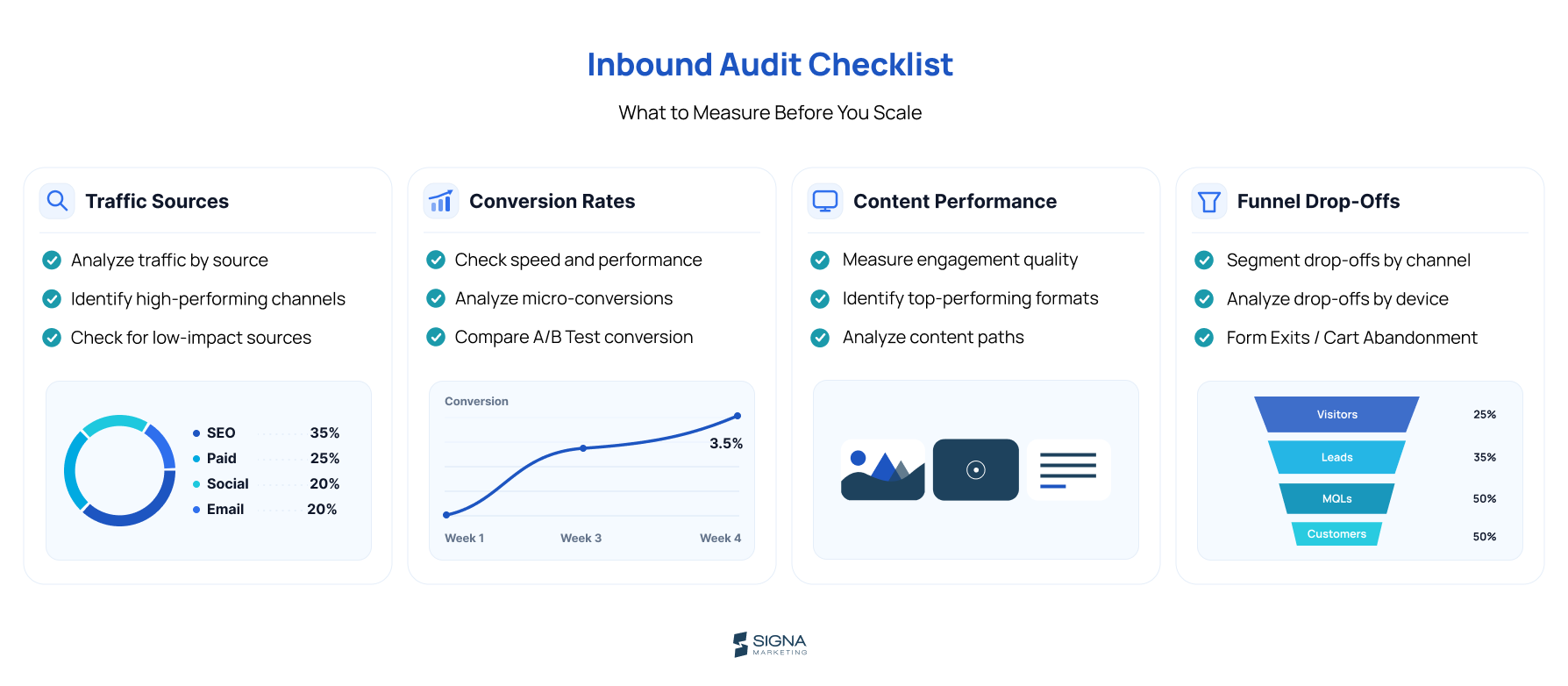
An effective inbound marketing strategy starts with clarity. Before building new systems or creating new content, eCommerce brands need a clear understanding of what is already working and where revenue is being lost.
An inbound audit establishes this baseline. It reveals which channels drive meaningful outcomes, where users drop off, and which efforts contribute to revenue rather than just activity.
Analyze Your Traffic Sources and Conversion Rates
Review traffic performance at the source level rather than focusing on total volume. Identify which channels generate revenue, not just visits. Analyze user behavior across landing pages, product pages, and checkout flows to identify friction points.
Compare conversion rates by channel. Discrepancies often reveal misaligned targeting or messaging. Support quantitative analysis with behavioral tools such as heat maps and session recordings to identify usability and content gaps.
Identify Your Best-Performing Content
Content performance should be evaluated based on engagement quality and downstream impact, not vanity metrics. Review blog posts, social content, emails, and product descriptions to identify which assets drive meaningful interaction and conversions.
Look for recurring patterns. These insights reveal how buyers think, what problems matter most, and which formats move them to action. Document these findings and use them to guide future content decisions.
Step 2: Build Your Foundation
Inbound marketing only works when the foundation is clear. Without defined positioning, a deep understanding of the customer, and the right operational systems, inbound efforts become fragmented and difficult to scale.
This step ensures that every channel, message, and conversion point supports the same revenue goal.
Define Your Unique Value
Every buying decision is rooted in problem-solving. Brands that clearly articulate what problem they solve and why they are the best option convert more consistently than those relying on generic product messaging.
The most reliable insights come directly from customers. Interviews, surveys, and reviews help uncover what buyers were trying to accomplish, which alternatives they considered, and what ultimately drove their decision.
This clarity should guide messaging across product pages, content, email, and paid campaigns. When value is clearly communicated, conversion friction decreases at every stage.
Create Detailed Customer Profiles
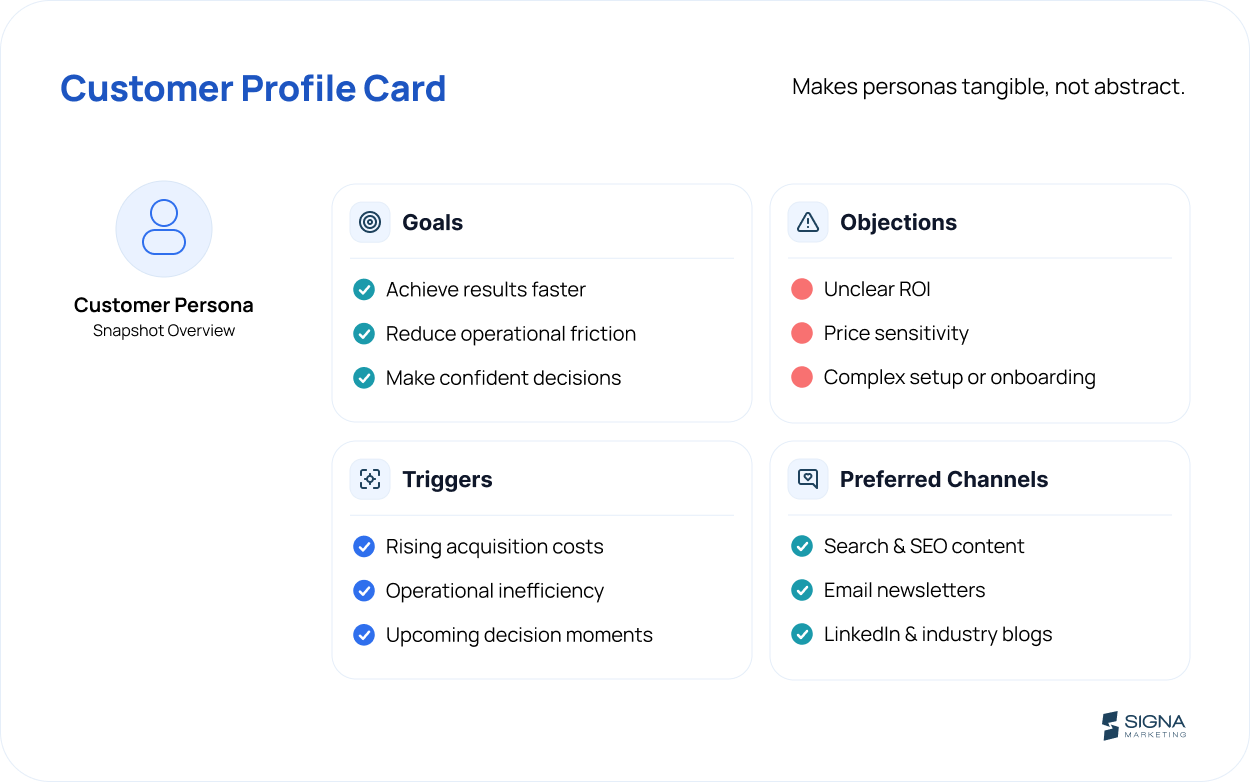
Effective inbound marketing targets defined decision-makers, not broad audiences. Build two to three customer profiles that capture motivations, objections, research behavior, and buying triggers.
Use interviews, surveys, and behavioral data to inform these profiles. Every campaign and content asset should be written for a specific profile to maintain relevance and conversion focus.
Set Up Essential Marketing Tools
Inbound execution requires four systems: email marketing, lead capture, analytics, and customer data management.
Select tools that integrate directly with your eCommerce platform and support segmentation and automation. Configure analytics to track revenue attribution across the full customer journey, not isolated touchpoints.
Step 3: Drive Qualified Traffic
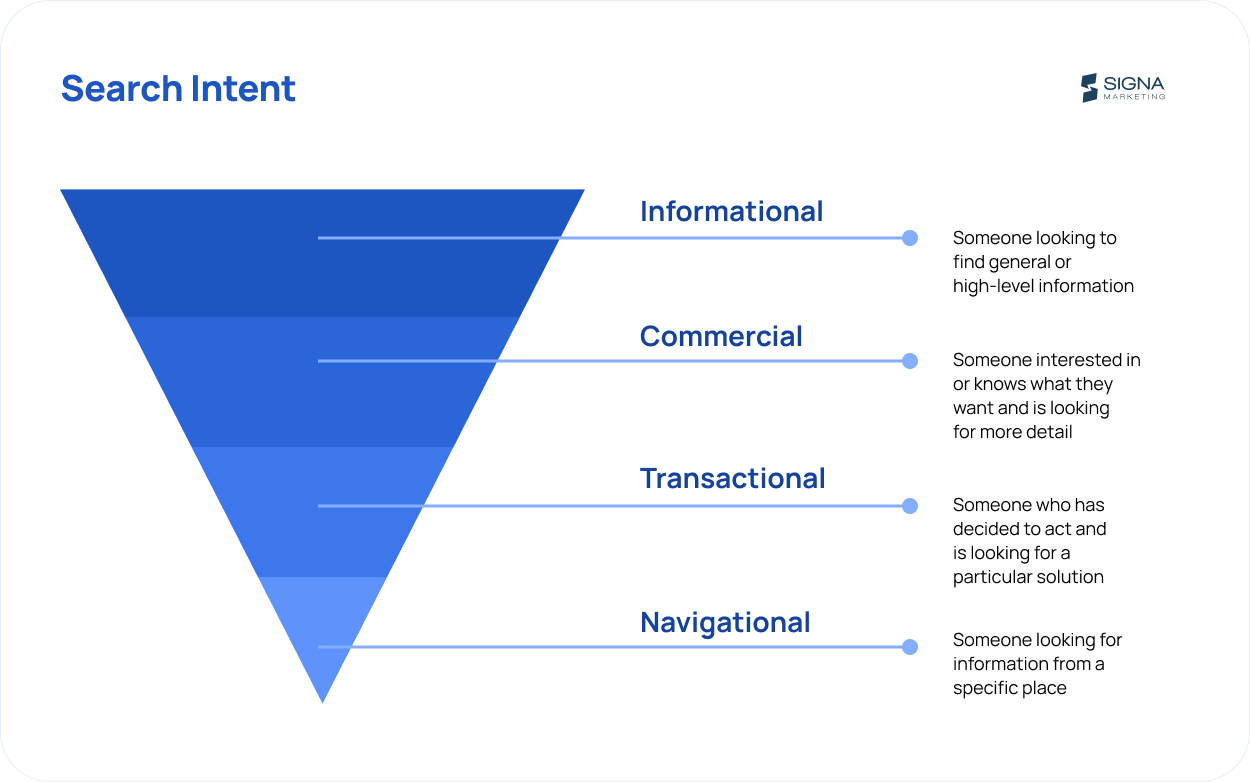
Traffic volume alone does not drive revenue. Inbound success depends on attracting visitors with demonstrated purchase intent.
Optimize for Search Engines
Keyword strategy should balance research-stage queries with high-intent product searches. Long-tail keywords often offer stronger conversion potential and faster ranking opportunities.
On-page optimization should prioritize clarity and usability. Keywords must enhance relevance without compromising readability. Technical performance is equally critical. Page speed, mobile usability, and site structure directly influence rankings and conversions.
Create Content That Answers Real Questions
Inbound content should align directly with the buyer journey. Educational content supports awareness, comparison guides influence evaluation, and product-focused assets support purchase decisions.
Depth matters. Comprehensive resources that fully address user intent consistently outperform shallow content. Existing content should be updated regularly to maintain relevance, authority, and search performance.
Use Social Media Strategically
Focus on one or two platforms where your customers actively engage. Prioritize content that educates, answers questions, and reinforces expertise.
High-performing content should be repurposed across channels, with the format adapted to each platform. Consistent engagement signals relevance and increases organic reach over time.
Step 4: Capture Leads Effectively
Most visitors will not convert on their first visit. Lead capture ensures interest is not lost.
Offer Valuable Lead Magnets
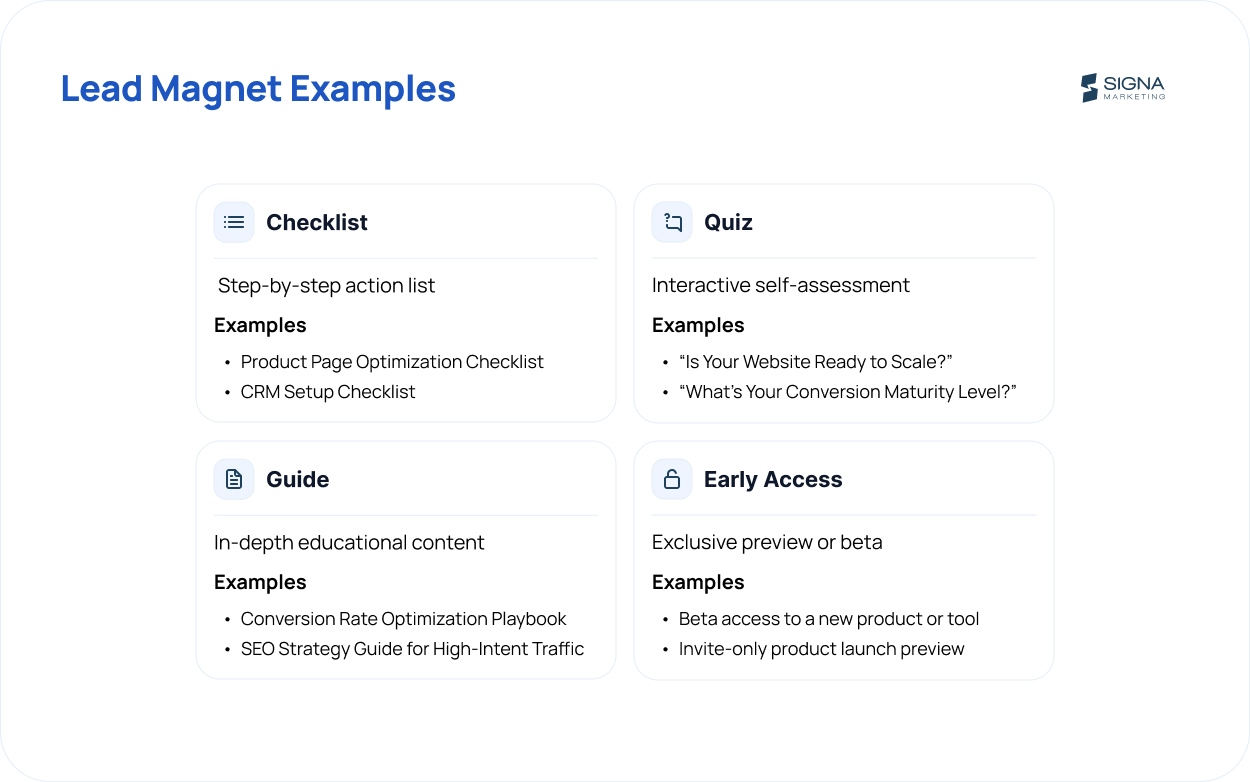
Effective lead magnets provide immediate, tangible value. While discounts can work, educational assets often attract more qualified leads.
Guides, checklists, and interactive tools such as quizzes position your brand as an authority while collecting valuable preference data. Exclusive access to content or early product releases can further increase opt-in rates.
Design High-Converting Opt-In Forms
Timing and placement directly impact opt-in performance. Different audiences respond to different triggers, which makes structured testing essential.
Scroll-triggered forms often perform well with long-form content because they engage users once intent has been demonstrated. Exit-intent forms can capture visitors who have already evaluated the page. Time-delayed forms are most effective when context is required.
Form design should remain intentionally minimal. In most cases, collecting an email address alone is sufficient at the initial opt-in stage. Additional data can be gathered later through progressive profiling.
Opt-in messaging should clearly state what the subscriber will receive and why it matters. Specific, benefit-driven copy consistently outperforms generic newsletter prompts.
Build a Strong Welcome Series
A structured welcome sequence builds trust and accelerates first purchases. A 5–7 email sequence over two to three weeks should deliver the lead magnet, establish credibility, educate the subscriber, and gradually introduce products.
Performance should be monitored closely, with subject lines, content, and timing optimized based on engagement data.
Step 5: Nurture Leads Into Customers
Email automation enables consistent relationship building at scale, but its effectiveness depends on the quality of the list behind it. List growth should be intentional and value-driven, designed to attract buyers rather than casual subscribers.
High-performing lists are built by offering relevant educational resources, tools, or exclusive access that align with the buyer journey. Email capture opportunities should be placed across high-intent touchpoints such as long-form content, comparison pages, and post-purchase flows to ensure relevance at the moment of opt-in.
Once subscribers enter the system, automation ensures consistency. Welcome sequences and behavior-triggered workflows guide prospects from initial interest to informed consideration without manual effort. Performance should be measured by engagement and revenue contribution, not list size, to ensure email supports predictable growth.
Segment Your Email List
Segment subscribers based on engagement, purchase history, and behavioral signals. Relevant messaging consistently outperforms generic broadcasts.
Automation rules should update segments dynamically as subscriber behavior changes.
Create Automated Email Campaigns
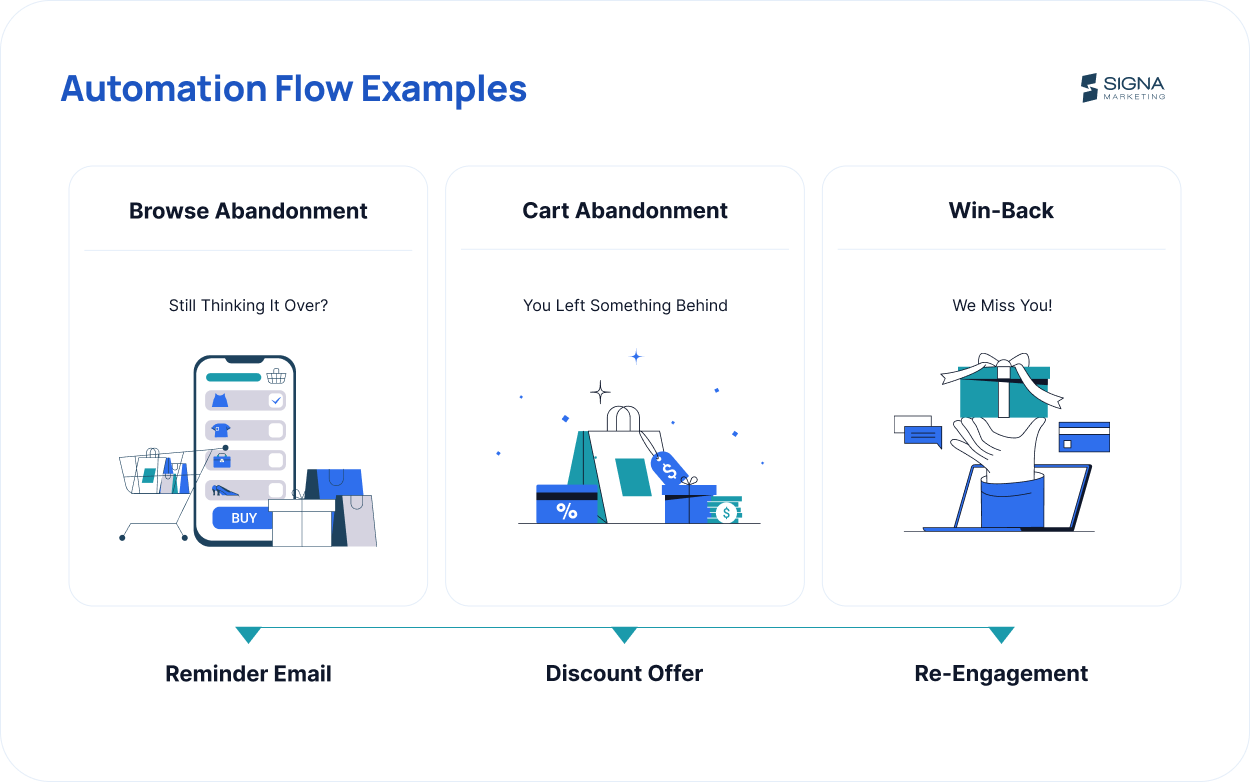
Behavior-triggered campaigns convert consistently. Cart abandonment, browse abandonment, post-purchase, and win-back sequences should be implemented and optimized continuously.
Implement Strategic Retargeting
Retargeting reinforces inbound efforts by re-engaging warm audiences.
Messaging should align with user behavior and intent. Frequency should be capped to avoid fatigue and negative brand perception.
Step 6: Convert Leads Into First-Time Buyers
Conversion optimization removes friction and addresses objections at the point of decision.
Conversion rate optimization (CRO) is the practice of improving the percentage of visitors who complete a desired action, such as purchasing, adding to cart, or submitting a form.
Effective CRO reduces uncertainty and effort by clarifying value, improving page structure, reinforcing trust, and removing usability barriers. By systematically analyzing user behavior and optimizing key touchpoints, brands increase revenue without increasing traffic.
Optimize Product Pages
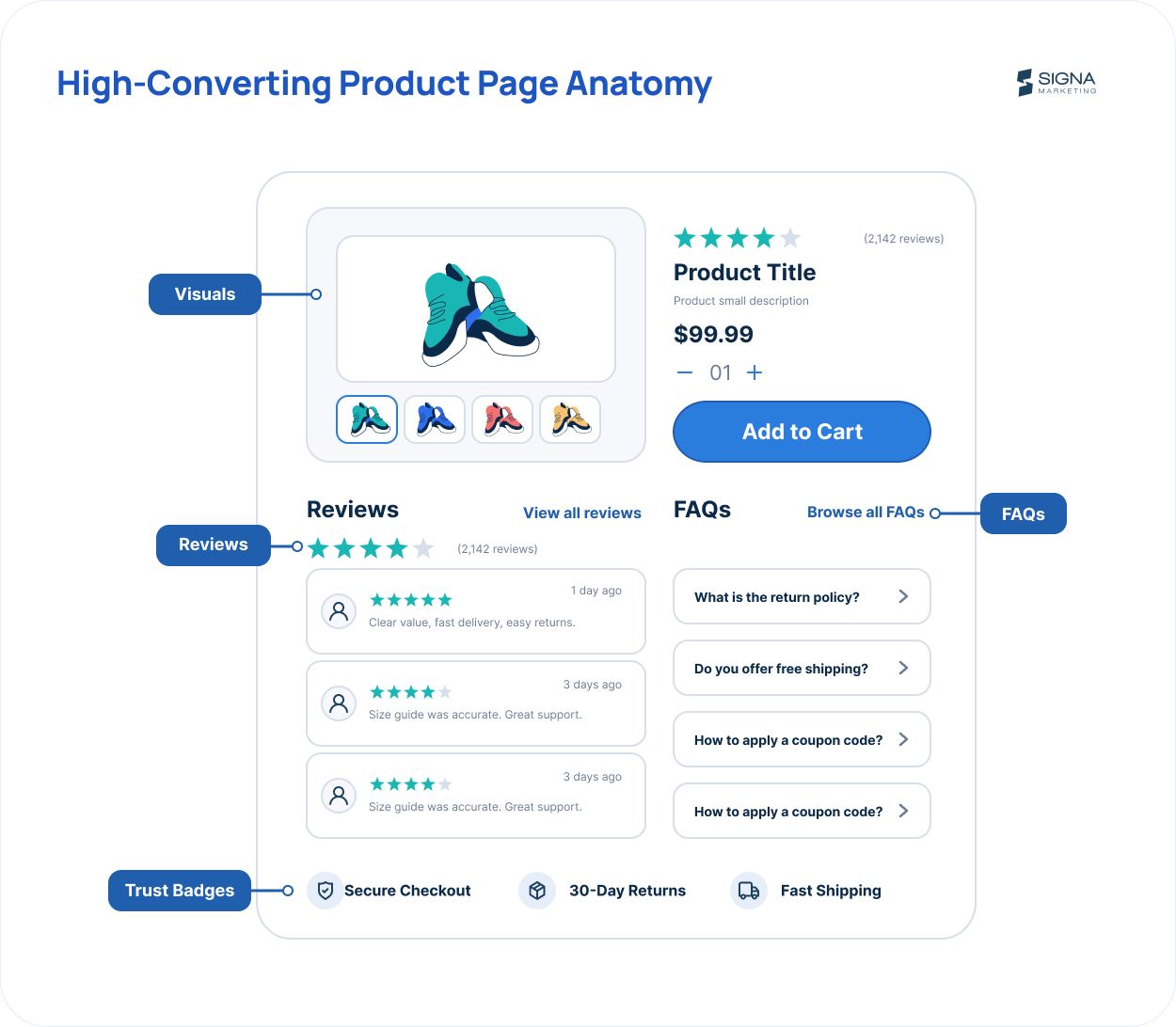
Product pages must inform and persuade simultaneously. High-quality visuals, detailed descriptions, prominent reviews, FAQs, and trust indicators reduce uncertainty and increase conversion rates.
Create Honest Urgency
Use real scarcity and legitimate deadlines to encourage action. False urgency erodes trust and damages long-term brand equity.
Streamline Checkout
Checkout friction is a leading cause of lost revenue. Guest checkout, transparent pricing, progress indicators, multiple payment options, and mobile optimization are essential.
Step 7: Build Long-Term Customer Loyalty
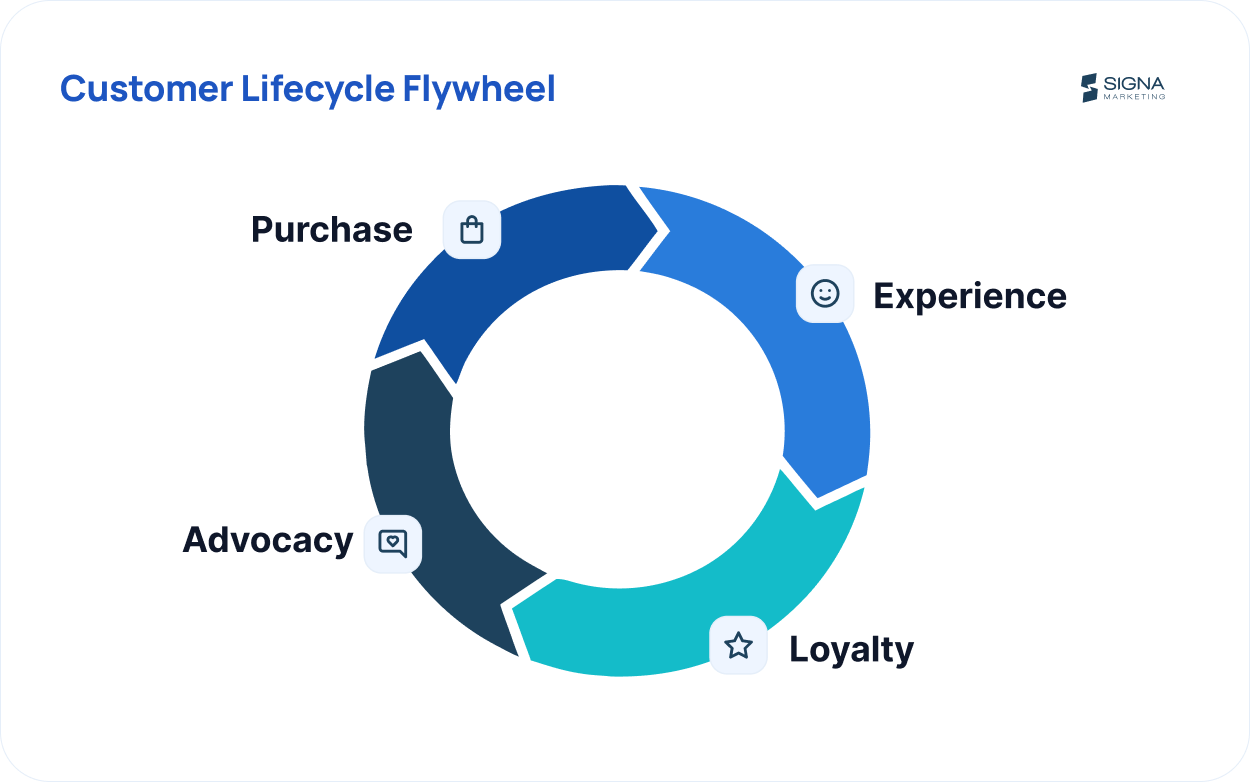
Retention drives profitability. Keeping customers is significantly more cost-effective than acquiring new ones.
Perfect the Post-Purchase Experience
Clear communication, proactive support, and educational follow-ups improve satisfaction and repeat purchase rates. Review requests should be timed to align with product usage.
Build a Valuable Loyalty Program
Reward purchases, referrals, reviews, and engagement with attainable incentives. Tiered programs encourage higher lifetime value while reinforcing brand affinity.
Foster Community
Community-driven engagement creates organic advocacy. Encourage user-generated content, acknowledge contributors, and provide spaces for customers to connect and share experiences.
Step 8: Measure and Optimize Performance
Inbound marketing succeeds when measurement is disciplined and tied to revenue outcomes.
Focus on Key Performance Indicators
Prioritize metrics that drive growth: conversion rates, revenue per email, customer lifetime value, and repeat-purchase behavior. Vanity metrics should not drive decision-making.
Test Systematically
Run controlled tests on email performance, content offers, messaging, and on-site elements. Document outcomes to compound learning over time.
Review Performance Monthly
Monthly analysis should identify trends, top-performing assets, and underperforming channels. Insights should directly inform optimization and content planning.
Start Building Your System Today
Inbound marketing is not a collection of tactics. It is a system designed to attract the right buyers, guide them through informed decision-making, and convert demand into predictable revenue. When content, traffic, lead capture, and conversion optimization are aligned, growth becomes measurable and repeatable.
The brands that win in eCommerce are not those generating the most traffic, but those that remove friction, build trust, and make buying decisions easier at every stage of the journey. Inbound marketing delivers compounding returns when it is executed with discipline, data, and a clear revenue focus.
Building this system requires more than execution. It requires strategic clarity, technical expertise, and ongoing channel optimization.
Signa Marketing helps eCommerce brands design and implement inbound marketing systems that turn traffic into revenue. Through a proven inbound framework that integrates SEO, paid media, CRO, and automation, Signa aligns marketing performance directly with business growth.
If your brand is generating traffic but struggling to convert it into consistent sales, Signa can help identify where friction exists and how to remove it.
Book a strategy call with Signa Marketing to build an inbound system that drives qualified traffic, higher conversions, and sustainable growth.
You may also like
